


2024-10-18T18:00:32
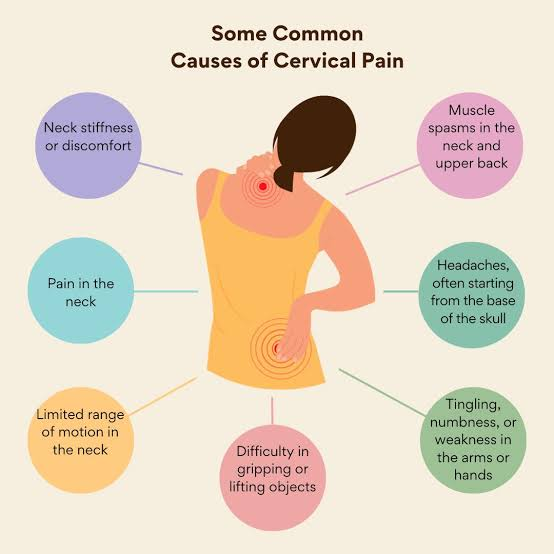
Physiotherapy clinic in Tambaram Are you Looking for Physiotherapy Treatment in Tambaram, Sunshine Super Speciality Physiotherapy Clinic, We Provide Electrotherapy, Exercise and Manual Therapy, Orthopedic, Neuro, Cardio, Pediatric, Sports and Geriatric Rehabilitation, Post Operative Physiotherapy Treatment, Fracture Rehabilitation, pain free movement. CERVICAL SPONDYLOSIS AND PHYSIOTHERAPY TREATMENT STRATEGIES Neck pain may be attributed to a variety of factors, including muscle strain, ligament sprains, arthritis of neck joints or degenerative in nature, commonly known as cervical spondylosis. Approximately 10 percent of adults have Cervical spondylosis at any one time. Fortunately, most patients, regardless of the cause of pain, get better with conservative therapy. In order to better understand your cervical spondylosis, it is useful to identify some basic structures that it comprise of. The neck, or cervical spine, is formed by seven square-shaped bones (cervical vertebrae), which are stacked one on top of another. The vertebrae are named for their position in the cervical spine, beginning at the top with C1 down to C7. Together with the supporting ligaments and the overlying long neck muscles, the cervical vertebrae form a spinal canal that surrounds and protects the spinal cord In between the neck bones are discs, which function as shock absorbers, cushioning one bone from another. Directly over the bones and the discs is a layer of strong ligaments. These thick tissues are attached directly to the bones and function to limit the movement of one vertebra against the other. Car accidents and injuries to the head or body can cause injury to these ligaments and the joints that it supports. Overlying the small muscles that support the vertebrae, the major muscles of the neck form the next protective layer. These muscles are responsible for holding the head up, maintaining normal posture, and supporting the neck. Overuse and irritation of these larger muscles is often called neck strain. Muscular strain is not cervical spondylosis. Cervical spondylosis is a common term used by healthcare professionals to refer to degenerative changes (wear and tear) of the cervical spine. Wear-and-tear causes gradual narrowing of the disc space, a loss of the normal square-shaped bone, and growth of the edges of the bone (bone spurs). These spurs can increase pressure on the surrounding tissues. Some degree of wear and tear is normal with aging, although severe degenerative changes are not normal. In other words, having Cervical spondylosis as a result of degenerative changes does not mean it cannot be treated. Cervical discogenic pain — Cervical discogenic pain may be one of the most common cause of Cervical spondylosis. It is caused by changes in the structure of one or more of the cervical intervertebral discs. Common symptoms of discogenic pain include pain in the neck when turning or tilting the head. Pain may be worsened when the neck is held in one position for prolonged periods, such as occurs with driving, reading, or working at a computer. Discogenic pain can also refer pain or uncomfortable sensations into the arm or shoulder. Cervical facet syndrome — The facet joint, which is located on the left and right side of the vertebrae, is the most commonly affected area in whiplash-related Cervical spondylosis and headaches. Another potential cause of cervical facet syndrome includes a job that requires a person to repeatedly extend the neck (tilt the head backwards). Symptoms of cervical facet syndrome include pain in the middle or side of the neck; some people also notice pain in the shoulders, around the shoulder blades, at the base of the head, or in one arm. This problem can really accounts for other forms of cervical problems that causes so much pain which Can be localized or radicular. These may include; Cervical stenosis — Cervical stenosis occurs when there are degenerative changes that narrow the central (middle) spinal canal. This narrowing can injure the cervical spinal cord or cause it to function improperly. Weakness, difficulty walking or coordinating movement, inability to empty or control the bowels or bladder, and sexual dysfunction (eg, erectile dysfunction) may occur as a result of irritation or compression of the spinal cord. Cervical radiculopathy — Cervical radiculopathy occurs when a nerve root is irritated by a protruding disc, arthritis of the spine, or a mass that compresses a nerve. Signs of radiculopathy can include pain, weakness, or changes in sensation (eg, numbness, pins and needles) in the arms. Meet in my next post as I share with you some of the actual causes and risk factors of cervical spondylosis, how it can be diagnosed and handled by physiotherapists. In meantime, I urge you to like this post, share and give us your comment to acknowledge your presence with a congratulatory message. #cervicalspondylosis #CervicalSpondylitis #vertebrae #cervicalspine #painrelief #physiotherapist #physicalactivity #physiotherapy #humanspine #exercise #painrelief #stenosis #bonespurs #arthritis #spine #spinehealth #spinehealth SUNSHINE ® SUPER SPECIALITY PHYSIOTHERAPY CLINIC - #DrParthiban #Sunshinephysioclinic.in #Physiotherapyclinicintambaram #Physiotherapyclinicnearme DR.M.P. PARTHIBAN.M.P.T (Ortho), Chief Orthopedic Physiotherapist, Call for Appointments: - 9345122177 East Tambaram, CHENNAI