


2024-08-06T13:51:20
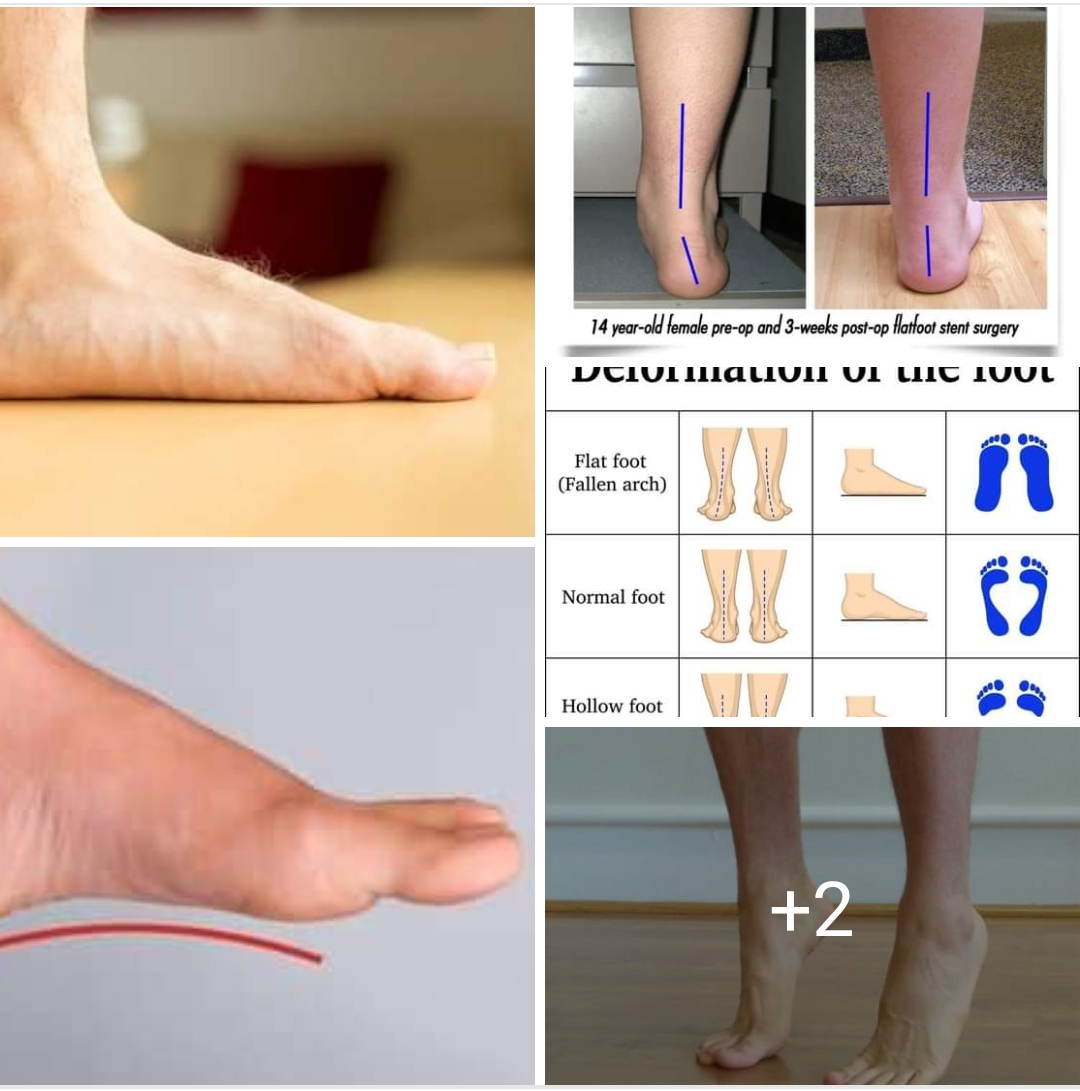
Physiotherapy clinic in Tambaram Are you Looking for Physiotherapy Treatment in Tambaram, Sunshine Super Speciality Physiotherapy Clinic, We Provide Electrotherapy, Exercise and Manual Therapy, Orthopedic, Neuro, Cardio, Pediatric, Sports and Geriatric Rehabilitation, Post Operative Physiotherapy Treatment, Fracture Rehabilitation, pain free movement. Flat Foot What is adult acquired flatfoot? Adult acquired flat foot is a condition where the main arch of the foot loses its height giving the appearance that the foot sits flat on the floor. How common is adult acquired flatfoot? Posterior tibialis tendon dysfunction is the most common cause of adult acquired flatfoot and is described in 4 stages (4). Stage 1- the tendon is intact and, to some degree, functioning (it can be inflamed). Stage 2- the tendon has become dysfunctional and the foot has developed an acquired flatfoot deformity, but the deformity is passively correctable. Stage 3- the foot deformity has become fixed and degenerative changes are seen in the subtalar joint. Stage 4- occurs when degenerative changes are also present in the ankle joint as well as the subtalar joint. The main function of the posterior tibialis muscle is to provide dynamic stabilisation of the inner arch of the foot. This initial dysfunction can lead to a cascade of worsening pathological events, therefore early diagnosis may be important in delaying or preventing worsening symptoms associated with this condition. 2. Signs & Symptoms Often the pain will start along your instep of the foot with pain developing behind the inner ankle bone and up the inner aspect of your leg. You may have difficulty walking, with a generalised ache which may exacerbate throughout the day. A defining symptom is often an inability or difficulty to heel rise (go up on tiptoes) because your tibialis posterior tendon has a reduced capacity to perform this effectively. As symptoms and the condition deteriorate, inner ankle pain may be followed by pain on the outside of the ankle also, resulting from biomechanical changes. 3. Causes The dysfunction of the posterior tibial tendon is a multifactorial process and can be difficult to attribute to a single cause. In many patients, there is a pre-existing flatfoot and many patients are also overweight, leading to increased stress on the tendon. Episodes of previous trauma, corticosteroid injections, arthritis, neuromuscular conditions and diabetes all increase the risk of the development of the condition. 4. Risk Factors This is not an exhaustive list. These factors could increase the likelihood of someone developing adult acquired flat foot. It does not mean everyone with these risk factors will develop symptoms. Increased weight Previous injury to the foot & ankle Genetics Lack of strength in the intrinsic (small) muscles of the feet 5. Prevalence Adult acquired flatfoot is more common in middle-aged adults, particularly females with an elevated BMI, and has a reported prevalence in the Uk 6. Assessment & Diagnosis Your physiotherapist will ask for a history of your symptoms, proceeded by carrying out a clinical examination so that a precise and timely diagnosis can be given to ensure the most effective treatment can be put in place immediately. Your physiotherapist will work closely with you to set individualised treatment goals and will regularly reassess you to measure your progress and make any necessary modifications in your treatment. 7. Self-Management Upon receiving your diagnosis, your clinician will educate you on the condition so that you can understand how you can help manage your symptoms. The physiotherapist will suggest activity modification strategies that will allow you to remain functional without causing symptom exacerbation. Additionally, your physiotherapist can suggest ways to help reduce pain and recommendations on pharmaceuticals that can make you more comfortable, collaborating with your GP where needed. 8. Rehabilitation Adult acquired flatfoot can generally be managed conservatively with specific advice and a personalised and progressive strengthening programme that your specialist physiotherapist can design to increase the strength of the soft tissues involved (2). Your physiotherapist will understand the structures that need strengthening and will tailor your exercises towards the activity-related and functional goals that will be established. You will regularly be reassessed to measure progress and we provide ongoing support and advice so that you can effectively and autonomously manage your symptoms. 9. Adult Acquired Flatfoot Treatment Plans Early Plan This programme focuses on maintaining and restoring ROM (range of motion) with beginner strengthening exercises to the ankle and foot complex. All exercises should be kept to a tolerable level of pain. This should not exceed any more than 4 out of 10 on your perceived pain scale. SUNSHINE ® SUPER SPECIALITY PHYSIOTHERAPY CLINIC - #DrParthiban #Sunshinephysioclinic.in #Physiotherapyclinicintambaram #Physiotherapyclinicnearme DR.M.P. PARTHIBAN.M.P.T (Ortho), Chief Orthopedic Physiotherapist, Call for Appointments: - 9345122177 East Tambaram, CHENNAI